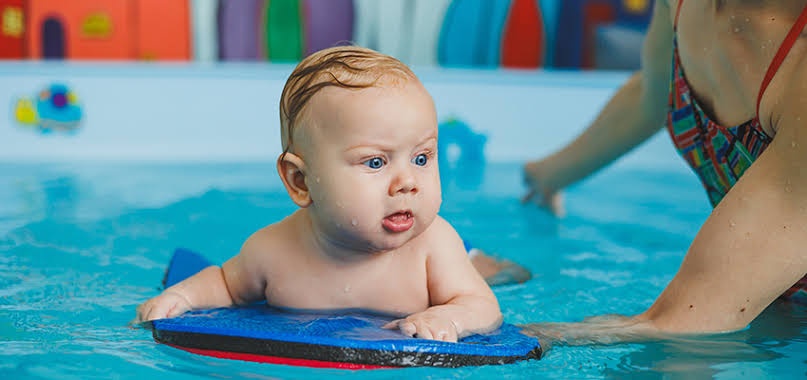
Most parents have wondered at what age their children should start swimming. Even though each child’s development may be quite unique, starting baby swimming lessons from an early age will help build familiarity with water, as well as boost self-confidence. Instead of emphasising performance or quick skill acquisition, the experience should always be mild, pleasurable, and sensitive to developmental readiness. Long-lasting foundations are created through perseverance, consistency, and constructive interactions.
When Is the Right Age?
At six months, babies are usually ready to engage in parent assisted sessions but there are programs that accept younger babies if medically cleared. At this point, bonding, comfort, and gentle movement are still more important than formal swimming. Sessions should avoid overstimulating participants and be tailored to their attention spans. Short exercises that involve singing, floating, splashing, and easy routines foster familiarity without putting pressure on participants. When babies show signs of fatigue, coldness, or discomfort, parents should stop as instructed by the instructors. Frequent attendance permits gradual adjustment while comfortably accommodating each child’s unique pace.
Benefits Beyond Swimming Skills
Early exposure to water can strengthen parent-child interaction through shared activities and eye contact. Playful games pique curiosity, while gentle kicking, reaching, and supported floating may promote body awareness, balance, and coordination. While not all developmental milestones are accelerated by swimming, pleasant water experiences can enhance comfort in the vicinity of pools and lessen needless anxiety through repeated, calm exposure. Because babies start to recognise familiar cues and routines, consistent practice also introduces basic listening habits. Families should embrace involvement rather than perfection, letting confidence grow organically over time with patience, warmth, and assurance.
Recognising Your Baby’s Readiness
Safety should be of paramount importance. Ensure that the pools are heated, have experienced instructors, and have good levels of hygiene. Adults should supervise at all times as babies are unable to hold up on their own. Before sessions, feeding should be completed comfortably, and dry towels and suitable swim nappies help keep kids comfortable afterward. Flotation devices should never be used by parents in place of careful supervision. Determining whether shorter sessions or breaks are more appropriate requires careful observation of babies’ reactions.
The Value of a Structured Swimming Programme
Most families prefer programs that slowly teach children to swim, taking into account the comfort zone of each child. One well-known swim school that prioritises positive experiences, age-appropriate instruction, and parental involvement is Paul Sadler Swimland. Its methodology embodies the more general idea that persistent confidence is frequently fostered by patient guidance and consistency. Parents can learn useful strategies for encouraging easy mobility, safe handling, and enjoyable participation during lessons and at-home practice by watching seasoned teachers.
Conclusion
Building confidence in the water is dependent on patience, preparation and having fun. Baby swimming lessons planned in advance can help foster familiarity, while at the same time being cognizant of the pace of each individual child. From the very beginning of their family’s aquatic adventure, parents can foster a lifelong relationship with swimming and water safety by emphasising safety, encouragement, and gradual progress.