
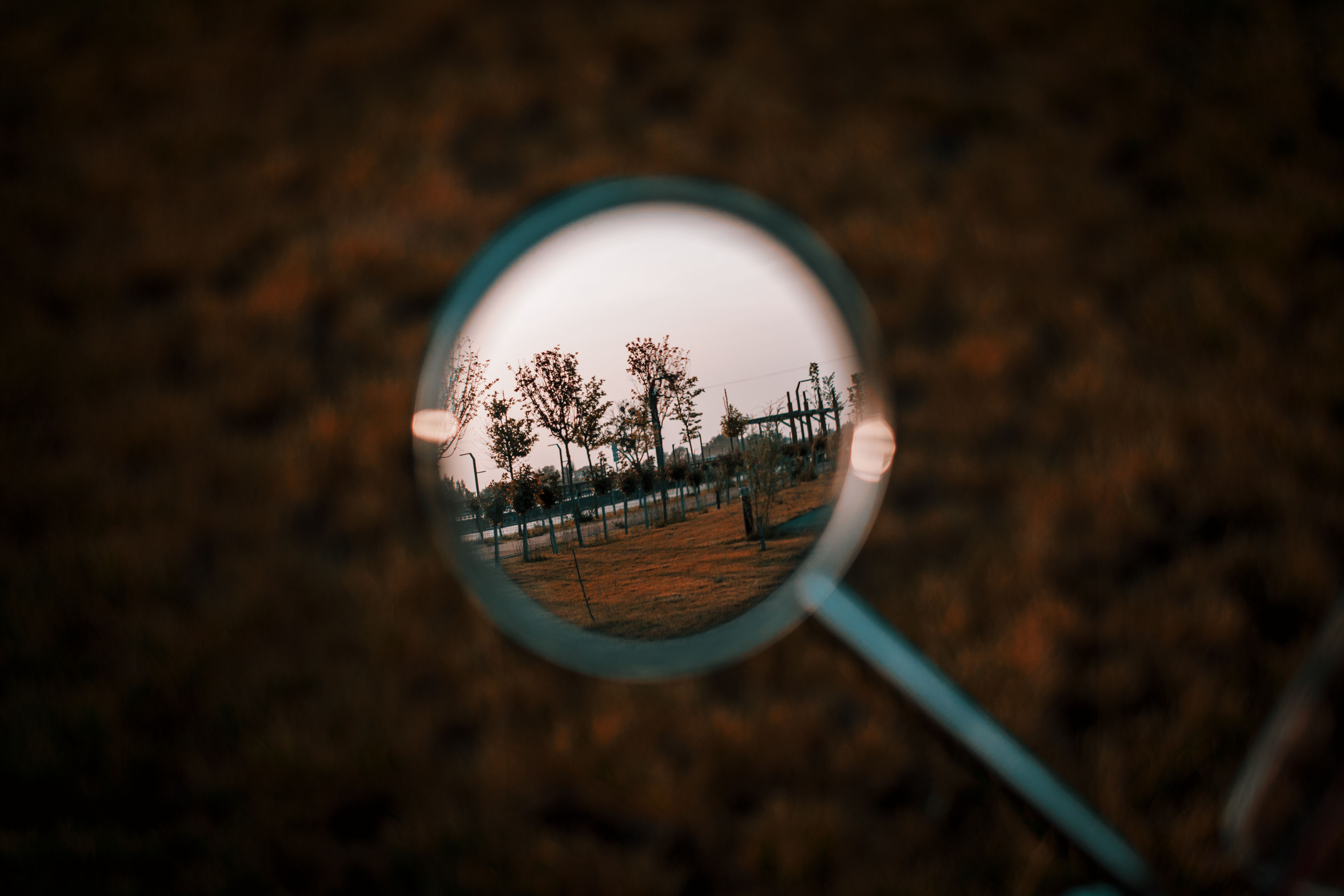
Improvement is often associated with action. People set goals, create plans, and work hard to achieve them. While action is essential, it is not always the starting point of meaningful progress. Real improvement begins much earlier, with the ability to observe carefully. Observation helps people recognize what is working, identify what is not, and understand the reasons behind both success and failure. Without paying attention to details, efforts can become repetitive instead of productive.
Whether someone wants to improve personal habits, strengthen relationships, or grow professionally, better observation creates a stronger foundation for better decisions. It transforms everyday experiences into valuable lessons and encourages thoughtful action rather than impulsive reactions.
Observation Creates Clearer Understanding
Many people rush to solve problems before fully understanding them. This often leads to temporary fixes instead of lasting solutions. Observation encourages individuals to pause and examine situations from different angles.
Careful observation reveals patterns that are easy to overlook. A business owner may notice changing customer preferences. A student may identify a study habit that reduces concentration. A homeowner may recognize maintenance issues before they become expensive repairs. In every situation, understanding the complete picture leads to smarter choices.
Professionals featured in a business and tech magazine Australia frequently highlight that successful innovation starts by studying existing systems before introducing changes. The same principle applies to everyday life.

Small Details Often Lead To Big Improvements
Remarkable progress is rarely created by dramatic changes alone. More often, it comes from recognizing small details that gradually shape larger outcomes.
Simple observations can reveal wasted time, inefficient routines, or overlooked opportunities. Someone who notices how they spend each hour may discover unnecessary distractions. A manager who carefully observes workplace communication may identify simple adjustments that improve teamwork.
The ability to notice small details allows continuous improvement without creating unnecessary complexity. Instead of making random changes, people make informed adjustments that produce measurable results over time.
Observing Trends Encourages Better Decisions
Observation is not limited to personal experiences. It also involves paying attention to changes happening in the surrounding environment.
Business leaders, educators, and professionals constantly observe new developments before making important decisions. Monitoring small business trends Australia helps entrepreneurs recognize changing customer expectations, emerging industries, and evolving technologies. Those who observe trends early often adapt faster than competitors who react only after significant changes have already occurred.
This principle also applies to individuals. Paying attention to social changes, workplace expectations, or educational opportunities creates greater preparedness for the future.
Everyday Experiences Become Valuable Teachers
Learning does not happen only in classrooms or training sessions. Everyday life provides countless opportunities for growth when people choose to observe instead of simply reacting.
A conversation can reveal a new perspective. A mistake can expose an ineffective habit. A successful project can demonstrate which strategies deserve repeating. Every experience contains useful information for those willing to examine it carefully.
Observation encourages reflection. Instead of asking whether something succeeded or failed, people begin asking why it happened. This deeper understanding builds lasting knowledge that can be applied repeatedly.
Paying Attention To Daily Changes
The world changes gradually rather than overnight. Those who observe these gradual shifts are often better prepared for future opportunities.
Following lifestyle news Australia allows individuals to understand changing consumer preferences, wellness habits, work culture, and community interests. These observations can influence personal choices, business strategies, and long term planning.
Rather than following every trend blindly, thoughtful observation helps separate lasting developments from temporary popularity. This balanced approach leads to more confident decisions.
Better Observation Supports Smarter Business Growth
Businesses succeed when they understand both internal performance and external conditions. Observation helps organizations identify strengths, weaknesses, customer behavior, and market opportunities before making major investments.
Reviewing online business listings Australia can provide valuable insights into competitors, service availability, customer expectations, and emerging market gaps. Careful analysis of available information often reveals opportunities that may not be immediately obvious.
Companies that observe consistently make decisions based on evidence instead of assumptions. This reduces unnecessary risks while increasing the likelihood of sustainable growth.
Understanding Customer Behavior More Effectively
Observation becomes especially valuable when understanding how people interact with products, services, and environments.
Businesses increasingly use proximity marketing Australia strategies because they recognize how customer movement, location, and behavior influence purchasing decisions. Instead of relying solely on broad advertising, businesses observe customer activity to deliver more relevant experiences.
The lesson extends beyond marketing. Whether managing a project, teaching students, or improving personal productivity, observing behavior often provides more useful information than relying on opinions alone.
Observation Encourages Continuous Improvement
One of the greatest advantages of observation is that it never truly ends. Every achievement creates new opportunities to learn. Every challenge reveals additional areas for improvement.
People who remain curious continue asking questions even after reaching their goals. They review completed work, evaluate results, and identify ways to perform even better in the future. This mindset transforms improvement from a one time effort into an ongoing habit.
Rather than searching for perfection, careful observers focus on steady progress. Small improvements accumulated over months and years often produce extraordinary long term results.
Conclusion
Real improvement begins before action takes place. It starts with observing carefully, asking thoughtful questions, and understanding situations more completely. Observation reveals hidden opportunities, exposes ineffective habits, and provides the clarity needed for better decisions. By slowing down long enough to notice what others may overlook, individuals gain valuable insights that guide meaningful progress. Whether improving personal routines, strengthening professional skills, or growing a business, observation serves as the foundation for lasting success. Those who learn to observe with intention rarely stop improving because every experience becomes another opportunity to learn.
