Food is one of the most basic necessities of life, yet maintaining a steady supply of nutritious groceries can become challenging when household expenses continue to rise. Families facing unexpected financial difficulties, job changes, medical bills, or other emergencies may struggle to balance their grocery budgets With essential living costs. During these situations, local food banks provide valuable assistance that extends far beyond distributing free groceries. They create opportunities for community connection, emotional reassurance, and greater household stability.
Many people searching for food banks near me are not simply looking for their next meal. They are seeking reliable resources that can help them manage difficult circumstances while maintaining their independence and dignity. Understanding the broader role of food banks reveals how these organizations contribute to healthier families and stronger neighborhoods.
Creating a Reliable Source of Food Assistance
Local food banks play an important role in helping individuals and families access essential grocery items when financial resources become limited. Depending on the organization and available donations, assistance may include fresh produce, canned goods, grains, dairy products, and other household food essentials.
Making tough financial decisions might be less stressful if you have access to these services. Families may otherwise find themselves choosing between purchasing groceries and paying for housing, transportation, utilities, or healthcare.
Food assistance programs help ease these competing responsibilities by providing temporary or ongoing grocery support based on individual circumstances. Their services can be particularly valuable for older adults, working families, individuals experiencing unemployment, and households managing unexpected expenses.
Supporting Families Beyond Immediate Hunger
The benefits of local food banks extend beyond satisfying immediate nutritional needs. Consistent access to groceries can contribute to a more stable household environment, allowing families to focus on other important responsibilities.
Parents who receive grocery assistance may find it easier to plan meals, maintain regular family routines, and provide nutritious options for their children. Older adults living on fixed incomes may also benefit from community food resources that help them manage monthly expenses.
Food banks can provide reassurance during uncertain periods. Knowing that grocery assistance is available may reduce some of the stress associated with financial hardship and help households approach their circumstances with greater confidence.
Rather than functioning solely as emergency distribution centers, many community food programs serve as important resources for maintaining everyday stability.
Preserving Dignity Through Accessible Food Programs
One of the most meaningful aspects of modern food assistance is the growing emphasis on treating every visitor with respect and understanding. Financial hardship can affect anyone, and seeking assistance should never be associated with embarrassment or judgment.
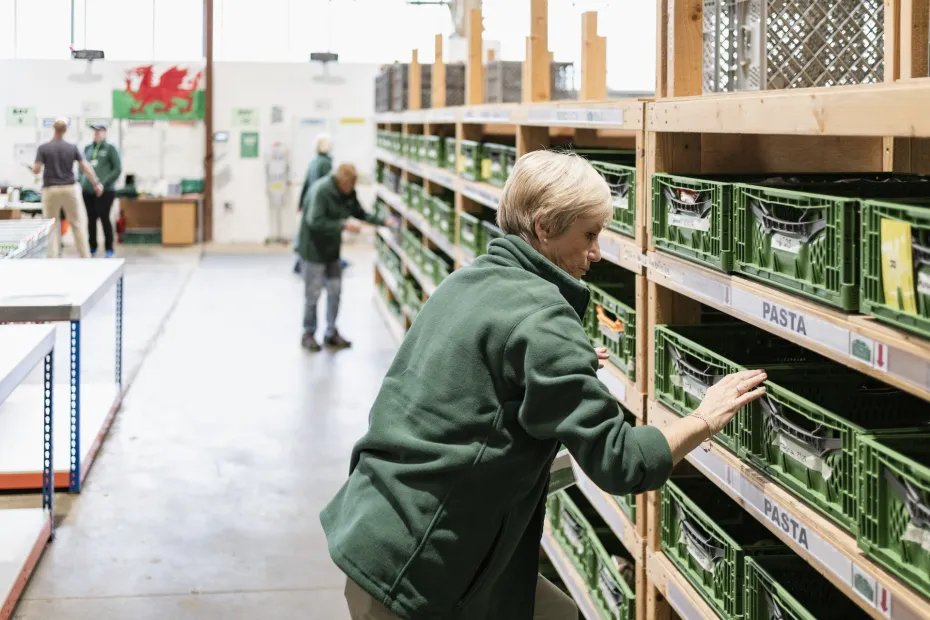
Some community food programs offer grocery market experiences where eligible participants can choose items according to their household preferences, dietary requirements, and available supplies.
This approach recognizes that families have different nutritional needs, cultural food preferences, and cooking habits. Allowing individuals to participate in selecting groceries can create a more comfortable and personalized experience.
When people search for food banks near me, accessibility and respectful service can be just as important as the availability of groceries. Welcoming environments encourage individuals to seek assistance before temporary challenges become more serious.
Bringing Communities Together Through Volunteer Support
Food banks depend on more than donated groceries to operate effectively. Volunteers, community organizations, local businesses, and individual supporters contribute time, resources, and practical assistance to keep food distribution programs running.
Volunteers may help organize donated items, prepare grocery packages, manage inventory, welcome visitors, or assist with distribution activities. Their involvement creates meaningful connections between community members who might not otherwise interact.
Local companies and groups can also help by planning food drives, sponsoring fundraising campaigns, or supplying necessary materials.
These collaborative efforts demonstrate how community participation can transform individual acts of generosity into organized support systems. Every contribution helps strengthen the network of assistance available to households experiencing food insecurity.
Connecting People With Additional Community Resources
Food insecurity often exists alongside other financial challenges. Individuals struggling to purchase groceries may also need assistance with housing expenses, employment opportunities, transportation, or other essential responsibilities.
Some food assistance organizations work alongside community partners to connect visitors with additional resources and supportive services.
These connections can help individuals identify practical solutions to challenges affecting their financial stability. Access to information about local programs, eligibility requirements, and available assistance may also make navigating difficult circumstances less overwhelming.
By recognizing the relationship between food access and broader household needs, community organizations can provide support that addresses more than immediate hunger.
Building Stronger Neighborhoods Through Shared Responsibility
A community becomes stronger when residents have access to essential resources and opportunities to support one another. Food banks contribute to this goal by creating organized systems through which donated food, volunteer efforts, and community generosity reach people who need assistance.
Their presence also encourages greater awareness of food insecurity and the everyday challenges faced by households experiencing financial pressure.
Supporting local food programs through donations, volunteering, or sharing accurate information about available services can make a meaningful difference.
Conclusion
Local food banks represent much more than places where individuals receive free groceries. They are community resources that promote dignity, encourage cooperation, and help families navigate financial uncertainty.
Through accessible food assistance, dedicated volunteers, and connections to additional resources, these organizations contribute to stronger and more supportive neighborhoods. Their greatest value lies not only in the groceries they distribute but also in the stability, reassurance, and sense of belonging they help create for people facing difficult circumstances.