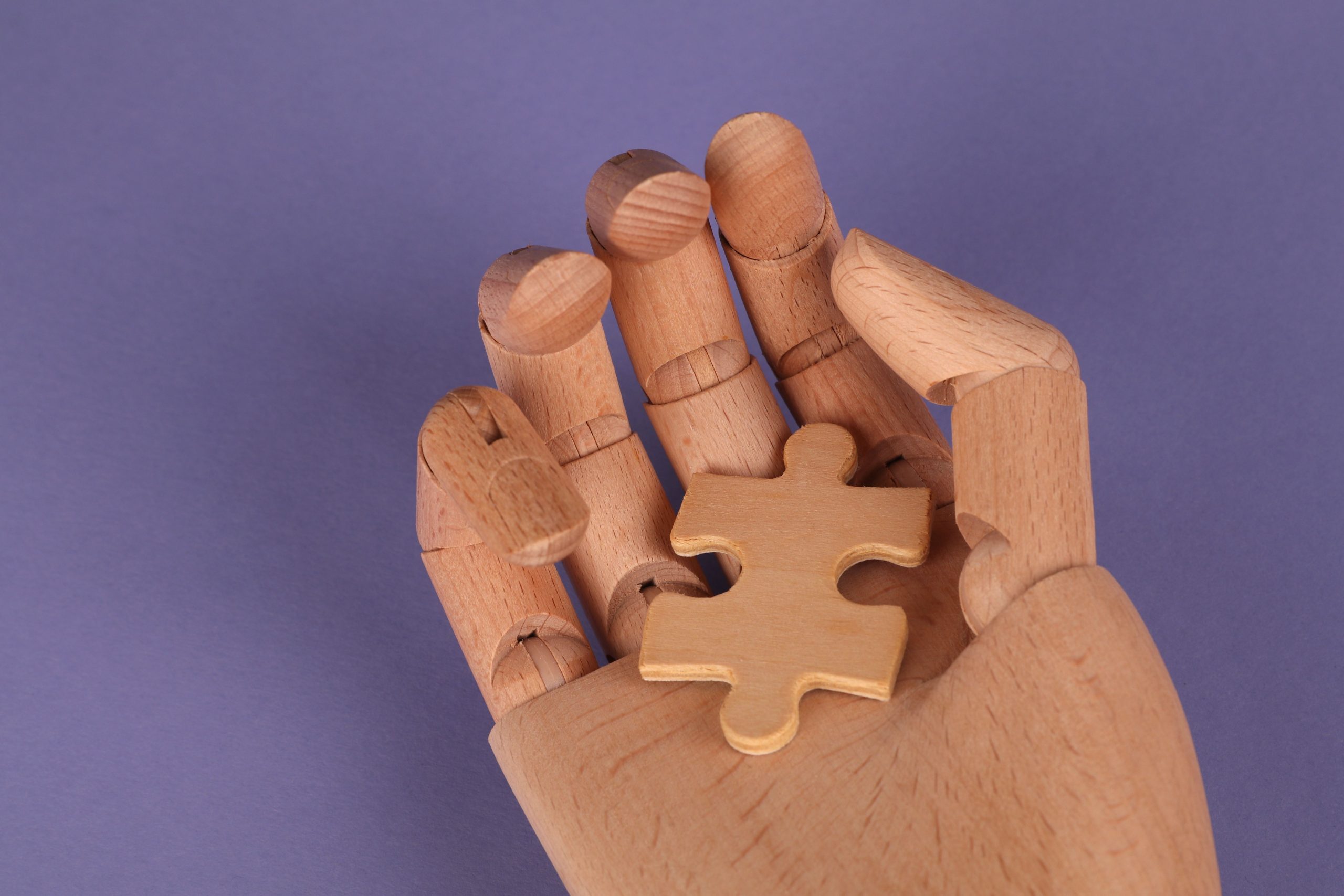
The objects surrounding us often tell stories about problems that once shaped everyday life. Some were created to make difficult tasks easier, while others provided access to Information, communication, entertainment, or basic services. Technology eventually solved many of these problems in faster and more convenient ways. Yet the original objects did not always disappear.
Instead, many have survived because people found new purposes for them. Some became decorative, some gained nostalgic value, and others simply remained part of familiar routines. Their continued presence shows that usefulness is not always the only reason people keep things.
Printed Maps in a World of Digital Navigation
Printed road maps were once essential for anyone traveling beyond familiar surroundings. Drivers had to plan routes in advance, identify highways, estimate distances, and occasionally stop to ask for directions. Today, smartphones can calculate routes instantly and adjust them when traffic conditions change.
This transition reflects a wider shift toward digital information services. People can now search for property information through terms such as kaveri online valuation, access maps, check records, and complete many information based tasks without relying on physical documents.
Printed maps, however, have not completely vanished. Travelers sometimes keep them as souvenirs, hikers may carry them as backups, and collectors appreciate old maps for their historical value. The practical problem they originally solved has changed, but the objects themselves have acquired different meanings.
Physical Calendars Beyond Basic Scheduling
Wall and desk calendars once provided one of the easiest ways to organize appointments, holidays, deadlines, and family activities. Digital calendars now offer reminders, synchronization, recurring events, and instant updates across multiple devices.
Still, physical calendars remain common in kitchens, offices, workshops, and classrooms. They provide information at a glance without requiring anyone to open an application.
Government and employment related systems have undergone a similar digital transition. Platforms and search terms such as Hkrn demonstrate how information that previously required paperwork or physical visits can increasingly be accessed electronically. Even so, people often continue using notebooks, calendars, and printed reminders alongside these digital systems.
Filing Cabinets After the Paper Era
For decades, filing cabinets represented organization. Businesses, schools, government departments, and households used them to protect everything from invoices and contracts to certificates and personal correspondence.
Cloud storage and searchable databases have reduced the need for enormous collections of paper. Websites such as bandhkamkamgar.net also illustrate how information connected with services and administrative processes can now be located through online channels rather than exclusively through physical files.
Yet filing cabinets continue to survive. Some organizations retain paper documents for operational or compliance reasons, while homeowners repurpose older cabinets for tools, craft materials, photographs, or household supplies. An object created for paperwork can remain useful long after the paperwork itself becomes less important.
Reference Books That No Longer Provide the Fastest Answer
Encyclopedias, dictionaries, directories, and other reference books once offered convenient access to information without requiring a trip to a library or specialist. Finding an answer meant locating the right volume and searching through its pages.
Internet search changed that experience dramatically. Someone researching an entrepreneurship program, for example, might simply Visit Udyami Yojana resources online rather than searching through printed government guides or informational booklets.
Reference books nevertheless remain on shelves around the world. Their appeal has shifted from speed to experience. People may enjoy browsing physical pages, collecting older editions, decorating study spaces, or preserving books that represent a particular period in history.
Paper Records in the Age of Online Information
Property ownership once involved extensive dependence on physical registers, handwritten records, copies, and visits to administrative offices. Digital record systems have gradually changed how people locate and review this information.
A search such as apna khata jamabandi rajasthan reflects this broader movement toward online access to land related information. Tasks that historically required considerable time and travel can increasingly begin with a digital search.
Paper documents have not disappeared, though. Many people still keep physical copies of important records because they provide reassurance, permanence, and convenient offline reference.
Why Old Objects Continue to Survive
Objects do not always disappear when their original problems disappear. Their purpose can evolve. A printed map becomes wall art. A filing cabinet becomes workshop storage. An encyclopedia becomes a collectible. A paper calendar becomes part of household decoration.
These objects reveal an interesting feature of everyday life: innovation rarely produces a perfectly clean break with the past. New systems solve old problems, but familiar objects often remain because people discover emotional, practical, or cultural reasons to keep them. What survives is not necessarily the original function, but the value people continue to find in the object itself.